
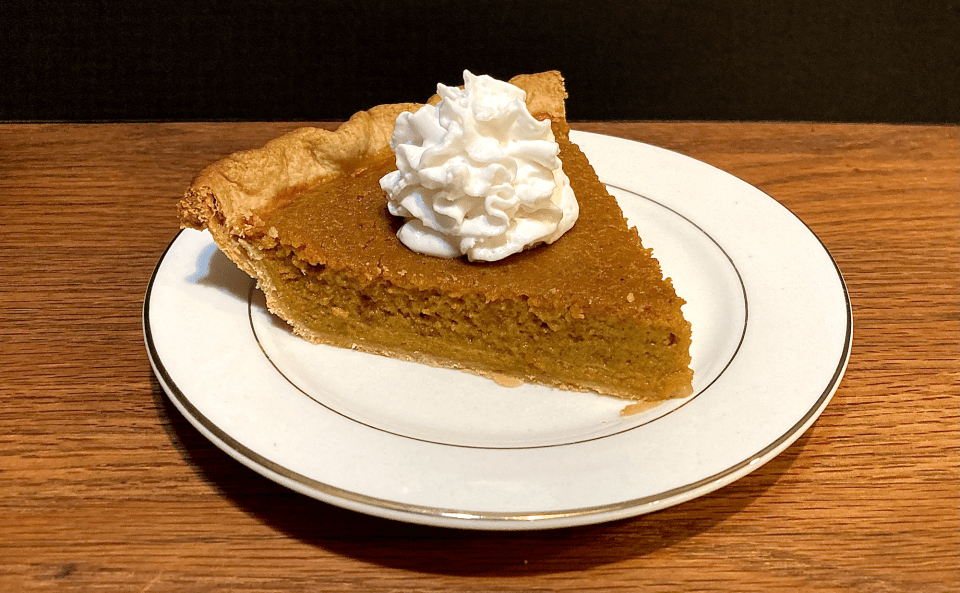
Pumpkin pie is one of the most classic Thanksgiving desserts. This delicious, spiced custard pie is consumed in homes across the entire nation during Thanksgiving, but its origin is not as widely known as you might expect.
Let’s look into the fascinating history of this Thanksgiving classic.
The Discovery of the Pumpkin
Because pumpkins are native to the Americas, Europeans were unaware of this fruit until they began exploring the New World. Yes, I did call pumpkins a fruit; because pumpkins are the seed bearing structure of a plant, they are technically a fruit. What’s even more bizarre is that because pumpkin seeds are contained within the fruit’s flesh, pumpkins are also technically berries, according to the botanical definition of fruit and berry.
The first known mention of pumpkins in Europe was as early as 1536, which was more than 80 years before the Pilgrims landed at Plymouth Rock. It didn’t take long before pumpkins were regularly grown in England. The English called this new squash pumpion after the French pompon, which referred to their rounded shape, but they became known as pumpkins to the Colonists in North America.
The Making of Pumpkin Pie
Once pumpkins were introduced to England, they were quickly included in the already developed, English tradition of pie making. This means that pumpkin pies were likely first made in Europe, however, many of these pies were likely different from the pies that we know today. Some pies used pumpkin shells as their crust while others did not have a crust at all. One of the most unique pies comes from Hannah Woolley’s 1670 recipe which says to fill the pie with alternating layers of pumpkin and apple, spiced with rosemary, sweet marjoram, and thyme.
It is likely that the Pilgrims had pumpkins in some form during their 1621 celebration, but as New England continued to prosper, they readily began replacing their pumpkin pies with more desirable desserts like apple and pear tarts.
The Beginning of a Thanksgiving Staple
Pumpkin pies eventually became a niche dessert of Thanksgiving celebrations in New England, but pumpkin pies were not made in the rest of the colonies, and eventually states, because Thanksgiving was merely a regional event that occurred solely in New England. I suppose this makes; the colonies were not really connected to each other, and they had no reason to consider themselves as one nation until they united to fight for their independence.
It wasn’t until the turbulent era leading up to the Civil War that pumpkin pies were brought to national attention. Many people, particularly abolitionists, worked for many decades to have Thanksgiving recognized as a national holiday.
Finally, in 1863, President Lincoln made Thanksgiving a national holiday, and after the Civil War, pumpkin pie extended beyond New England, reaching across the entire nation.
Happy Thanksgiving! I hope you are able to enjoy this delicious berry pie today.
What’s your favorite Thanksgiving dessert?
 Onward American