
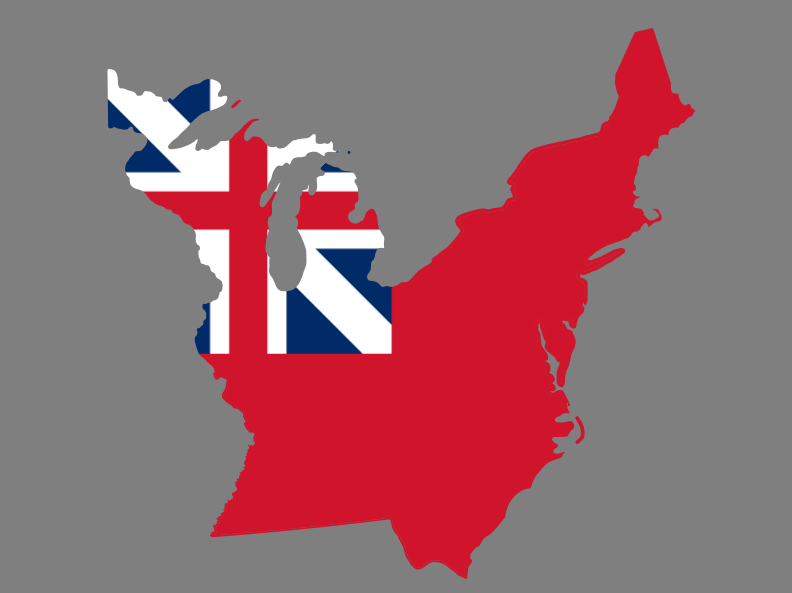
The development of the United States from the year 1776 to the present day is well known and well documented. What is not as widely discussed is the formation and development of the thirteen British North American colonies that would eventually become the United States.
Here is a sequence of how the colonies were established and developed to the best of my understanding. It is surprisingly difficult to find a list of the colonies and their territorial development online. Some dates may vary depending on your definition of when a colony is developed; I am considering the colonies to have been developed after they became an English Colony, even if they were established by another nation at an earlier date.
Roanoke Colony (1585-1590)
Sir Walter Raleigh attempted to found the first permanent English settlement in North America with the establishment of Roanoke Colony. In the year 1587, John White, who was appointed by Raleigh as the governor of the Cittie of Raleigh, returned to England for supplies that the colony desperately needed, however, he experienced delays due to skirmishes between England and Spain. White was unable to return to Roanoke until 1590, three years after departing from the colony, but he arrived just to find the colony deserted. All residents of the colony, including White’s family, were never heard from again; the only clue was the word Croatoan carved into a post. The failed colony of Roanoke was completely abandoned. Modern research suggests that the residents of Roanoke may have lived with the American Indians nearby.

Jamestown Colony (1607-1624)
Jamestown was the first permanent English settlement in North America. The settlement is sometimes called Jamestown Colony, though it is technically a settlement within the Proprietary Colony of Virginia, therefore, the establishment of Jamestown is also the beginning of Virginia Colony. The Virginia Colony was first chartered in 1584, but later abandoned with the failure of Roanoke, and rechartered in 1606 and settled in 1607 with the establishment of Jamestown. Despite many hardships, including Bacon’s Rebellion, the settlement of Jamestown was England’s first successful colonial settlement.

Popham Colony (1607-1608)
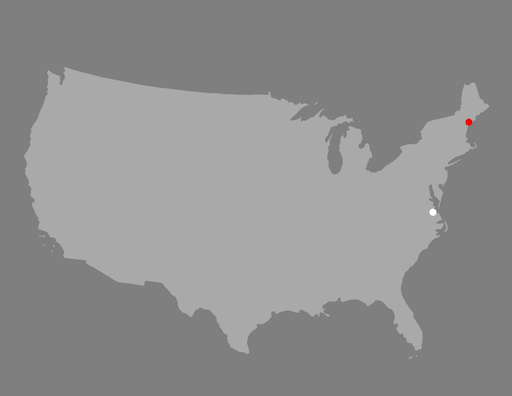
The Popham Colony, sometimes called the Sagadahoc Colony, was an English colonial settlement founded by the Plymouth Company. Popham was settled only months after Jamestown, and it was located near present day Phippsburg, Maine. Popham was abandoned only 14 months after its establishment, likely because of the deaths of some of its residents and its colony president.
Plymouth Colony (1620-1691)
Plymouth became the second permanent English Colony in North America after the successful landing of the passengers of the Mayflower, most famously the Pilgrims. Plymouth Colony would eventually be absorbed by the colony of Massachusetts Bay in 1691.

Province of Maine (1622-1691)
The Province of Maine was a region that was first patented in 1622, which contained various English Colonies on the northern Atlantic coast. The Province of Maine would eventually be absorbed by the Colony of Massachusetts Bay in 1691.

Virginia Colony (1624-1776)
Though the Proprietary Colony of Virginia existed long before this point, 1624 is the year when the Virginia Company’s charter was revoked by King James I and Virginia was made the first English Crown Colony; Jamestown became the capital of Virginia. Proprietary Colonies were granted to private companies or families by the Crown, whereas Crown Colonies were owned by the Crown. Virginia Colony would declare independence from Great Britain in 1776.

Province of New Hampshire (1629-1776)
The Province of New Hampshire was formed in the New England region of what is now the United States. It was named after the English county of Hampshire in 1629 by Captain John Mason, New Hampshire’s first named proprietor. New Hampshire declared independence from Great Britain in 1776.
Massachusetts Bay Colony (1630-1775)
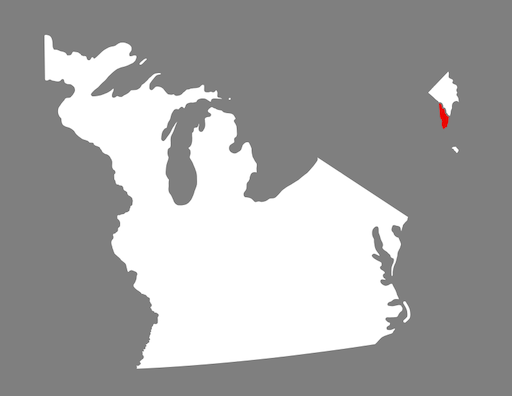
The Colony of Massachusetts Bay was established in 1630, just north of Plymouth Colony. In 1686, the unpopular Dominion of New England was formed from the provinces of New Hampshire, New York, East Jersey, and West Jersey and the colonies of Massachusetts Bay, Plymouth, Rhode Island and Providence Plantations, and Connecticut; the dominion was dissolved in 1689 and the all of the colonies were reverted to their previous forms of government.
In 1691, the Colony of Massachusetts Bay was formed into the Province of Massachusetts Bay by absorbing Plymouth Colony, the Province of Maine, Nantucket, Martha’s Vineyard, and Nova Scotia; in 1696, Nova Scotia broke off from Massachusetts Bay. The Province of Massachusetts Bay revolted against Great Britain in 1775 and declared independence in 1776.

Province of Maryland (1632-1776)
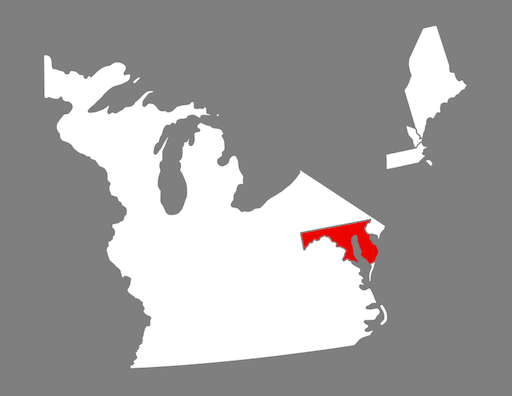
The Province of Maryland was established in 1632; it would declare independence from Great Britain in 1776.
Saybrook Colony (1635-1644)
Saybrook was an English Colony established in 1635 at the mouth of the Connecticut River. It would eventually be absorbed by the colony of Connecticut in 1644.
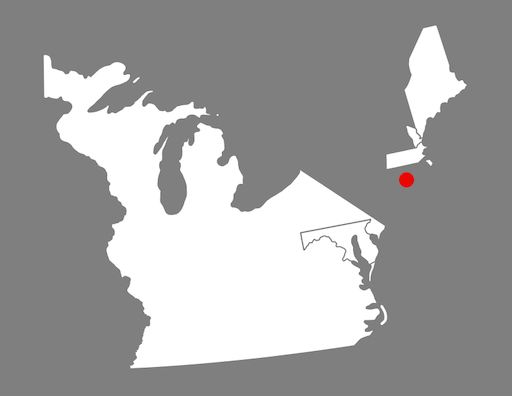
Connecticut Colony (1636-1776)
The colony of Connecticut, which was originally known as the Connecticut River Colony, was organized in 1636. Connecticut Colony declared independence from Great Britain in 1776.

Rhode Island and Providence Plantations Colony (1636-1776)
The colony of Rhode Island and Providence Plantations was established in 1636. The colony would eventually declare independence from Great Britain in 1776.

New Haven Colony (1638-1664)
New Haven Colony was an English Colony that was established in 1638. The Colony would eventually be absorbed by Connecticut Colony in 1665.

Province of Carolina (1663-1712)
The province of Carolina was an English Province that was formed in 1663; Carolina used to stretch across much of what would become the south eastern United States and even the Bahamas. Carolina was split into two provinces in 1712.
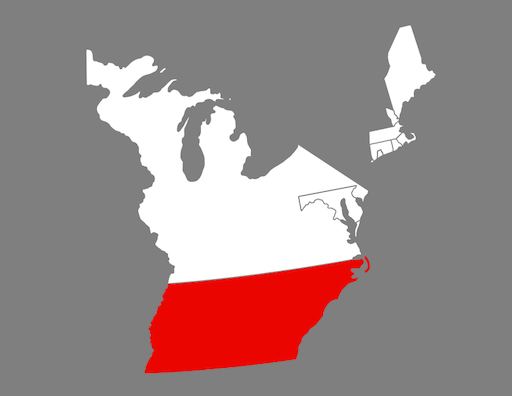
Lower Counties on the Delaware Bay (1664-1776)
The Lower Counties on the Delaware Bay, sometimes called Delaware Colony, was claimed by England in 1664. The colony was governed as part of Pennsylvania until 1701, after which Delaware was granted an independent colonial legislature, however, Pennsylvania and Delaware continued to share the same governor until the colony of Delaware declared independence from Great Britain and Pennsylvania in 1776.
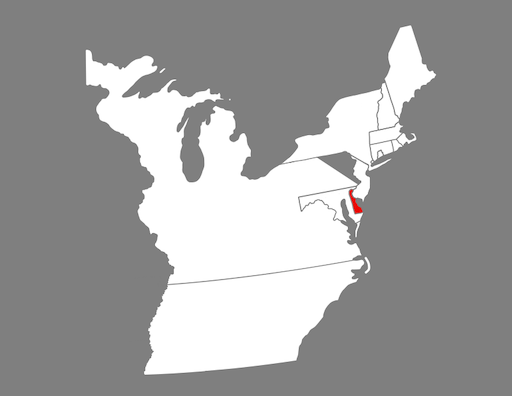
Province of New York (1664-1776)
The Province of New York was claimed by England in 1664. New York would later declare independence from Great Britain in 1776.

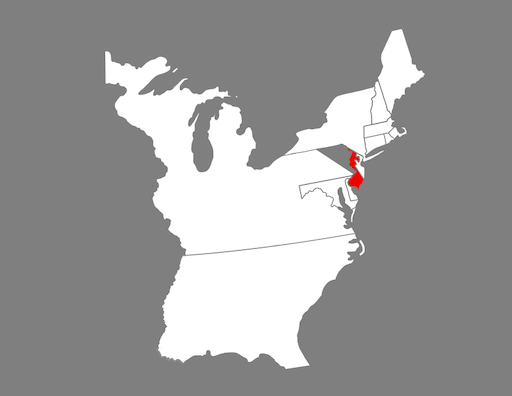
Province of New Jersey (1664-1673, 1702-1776)
The province of New Jersey was established in 1664. New Jersey was split into East Jersey and Wert Jersey in 1673, but later united as the Royal Colony of New Jersey in 1702. The Colony of New Jersey declared independence from Great Britain in 1776.

Provinces of East and West Jersey (1674-1702)
The provinces of East Jersey and West Jersey were formed in 1674, when the Province of New Jersey was split after the brief Dutch reassertion of control over New Jersey. The two provinces ceased to exist individually in 1702 when they were united, forming the Royal Colony of New Jersey.
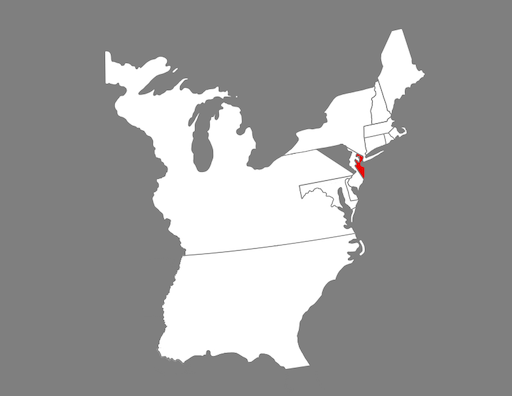
Province of Pennsylvania (1681-1776)
The English province of Pennsylvania was founded in 1681 by William Penn, who received a grant from King Charles II. The Province of Pennsylvania declared independence from Great Britain in 1776.

Provinces of North and South Carolina (1712-1776)
The provinces of North Carolina and South Carolina were formed in 1712 when the Province of Carolina was split. North Carolina and South Carolina declared independence from Great Britain in 1776. From this point on, because England merged with Scotland in 1707, forming Great Britain, the colonies are no longer referred to as English, but British Colonies.

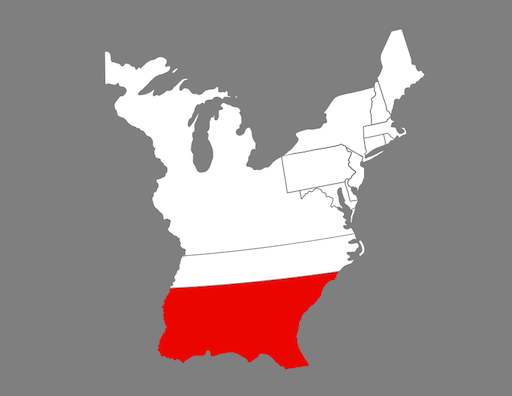
Province of Georgia (1732-1777)
The province of Georgia was formed in 1732 when King George II granted the colony’s charter; the colony was named in honor of the king. Georgia declared independence from Great Britain in 1776, a mere 44 years after the colony’s establishment.
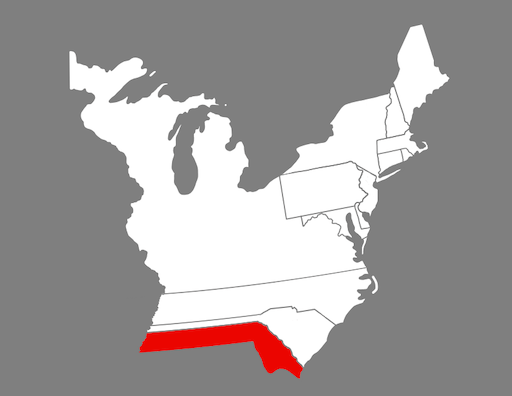
Proclamation Line of 1763
In 1763, Great Britain reduced the territory of the Colonies and forbade the Colonists from inhabiting the land west of the Appalachian mountains. Most Colonists paid little attention to this proclamation and settled beyond the Appalachians with few consequences. After the Revolutionary War, the newly formed states began dividing up the lands west of the Appalachians to form new states.

There are many border disputes between the Colonies that I did not cover in this post. I suppose most of these disputes occurred because many of the colonies were founded by private companies and families who competed with each other. After the United States won the Revolutionary War, many of the border disputes were not yet resolved.
Which of these is your favorite colony?
Onward American 🇺🇸
Source: Province of New Hampshire
Source: Massachusetts Bay Colony
Source: Rhode Island and Providence Plantations Colony
Source: Lower Counties on the Delaware Bay
Source: Province of New Jersey
 Onward American