
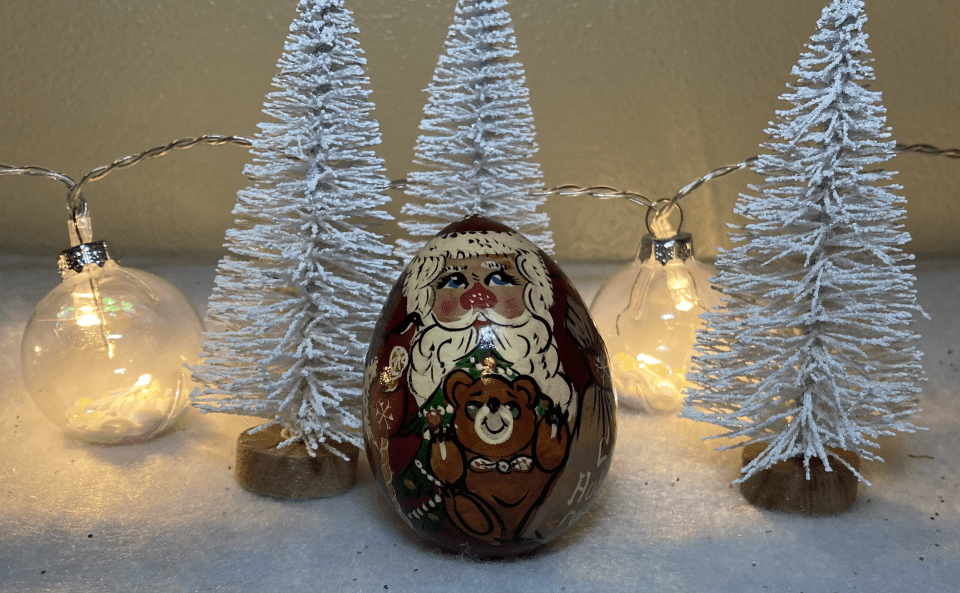
Santa Claus is a very popular figure that is recognized across most of the world with numerous variations existing in various nations, but how did this tradition of a generous man with a snow white beard who bestows gifts upon children begin?
Saint Nicholas
Around the year 270 AD a man of Greek descent was born in the city of Patara, within the province of Lycia et Pamphylia in the Roman Empire; this man is commonly known as Saint Nicholas. Little is known for certain about the life of Saint Nicholas as many of the stories, legends, and speculations about him were not formed until after his death. What we do know about Saint Nicholas is that he became the Bishop of the city of Myra, modern day Turkey, which was roughly 50 miles from his hometown.
Many believe that after his parents’ death, Nicholas distributed his inheritance to the poor. One of the most famous stories told about Saint Nicholas is that he heard about a devout man who had lost all of his wealth and was unable to afford dowries for his three daughters. Having compassion on the family in such a predicament, Nicholas went to their house on multiple occasions, under the cover of night to remain anonymous, and threw a purse filled with gold coins through the window opening into their house, which provided the man with enough finances for his daughters’ marriages, saving the daughters from a life of unweddedness, unemployment, and likely eventual, reluctant prostitution to secure an income.
Saint Nicholas’ gracious giving of his wealth is probably a significant influence for the Christmas tradition of giving presents to each other, however, the earlier event of the wise men bringing the young Jesus gifts is arguably a greater influence as it occurred before Saint Nicholas.
Sinterklaas
The basis for the concept of Santa Claus was the Dutch invented figure of Sinterklaas or Sint-Nicolaas; Sinterklaas translates to, and is based on, Saint Nicholas. The Feast of Sinterklaas is held each year on Saint Nicholas Day, December 6; gifts are given on Saint Nicholas’ Eve, December 5, in the Netherlands, though these gifts are not given until the morning of December 6 in Belgium, Luxembourg, and northern France.
It is believed by some that during the American Revolutionary War, the residents of New York City, which was formerly the Dutch colonial city of New Amsterdam, reinvented their Sinterklaas tradition, since Saint Nicholas was a symbol of the city’s Dutch past.
Washington Irving was one of the most prominent individuals responsible for the revival of the celebration of Sinterklaas in New York in the early nineteenth century; he featured legends of the early Dutch settlers in some of his stories. Irving inserted a sequence describing Saint Nicholas soaring over treetops in a flying wagon in his 1812 revisions to A History of New York, which was later dressed up by others as Santa Claus.
To this day in the Hudson Valley region of New York, Sinterklaas is celebrated annually in the towns of Rhinebeck and Kingston due to the region’s Dutch heritage; the celebration also includes Sinterklaas’ crossing the Hudson River, followed by a parade.
It appears that the difference between the dates on which Sinterklaas and Christmas are celebrated is that Sinterklaas (meaning Saint Nicholas) is celebrated on the day that Saint Nicholas is believed to have died and Christmas (meaning Christ mass) is celebrated on the commonly accepted day of Jesus’ birth.
I wish everyone a very, merry Christmas!
What is your favorite Christmas tradition?
Onward American 🇺🇸
Fun fact: the Santa Claus in this post’s featured image is from Belarus.
 Onward American