
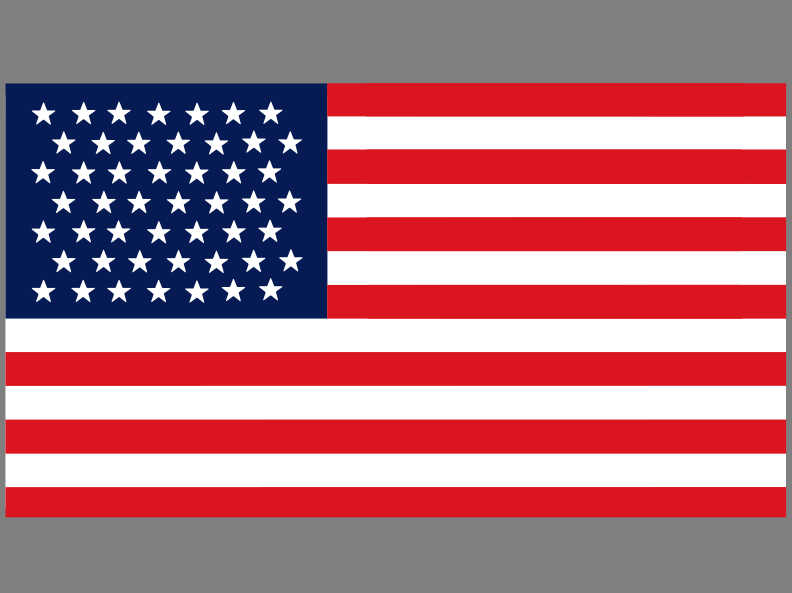
It is a commonly known fact that the current US flag has fifty stars, but it has not always been this way. Each of the fifty stars on the flag represents one state, and America has only had fifty states since 1959. So how did this renowned American flag come into existence?
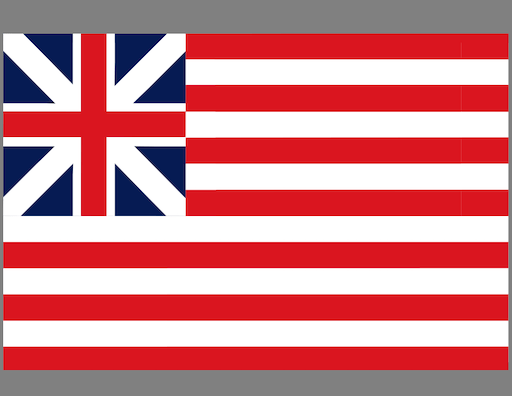
To answer that question, we must go back to the very beginning, to the Grand Union, which is one of the first American flags to resemble the modern US flag. The Grand Union flag, also knowns as the Continental Colors, is considered to be the first national flag of the United States. It is composed of thirteen alternating red and white stripes, with the flag of Great Britain in the canton.
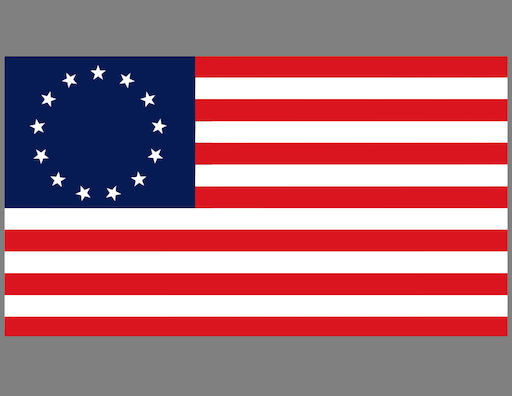
There were plenty of proposed and unofficial flags during the formation of the United States, too many to cover in this post, however, I must include one flag that is not necessarily official, though well known: the Betsy Ross flag! The Betsy Ross flag is arguably the most iconic flag of early America. It was designed using the same, thirteen alternating red and white stripes, but with thirteen stars arranged in a circle, to represent the thirteen original states and a new constellation, on a field of blue in the canton.
Those flags have a significant amount of history, and they are all unique, but how many US flags were official, and what are they? It turns out that there have been 27 official flags over the years! Let’s look at a quick overview of them.
The 13 Star US Flag (1777-1795)
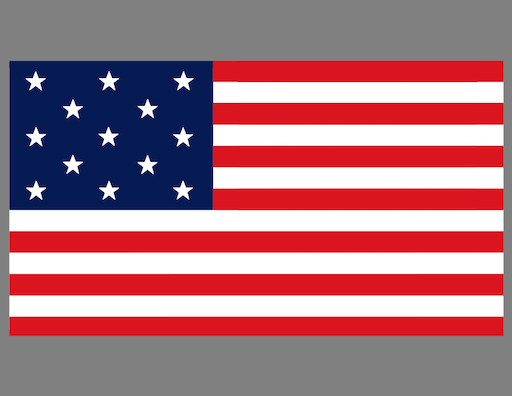
The first official flag of the United States contained only thirteen stars in the union, or field, because there were only thirteen states; these states were the thirteen colonies of England that united and became the United States. There are a number of variations in the way the stars are arranged, though this is one of the more widely accepted arrangements. This flag was also flown toward the end of the Revolutionary War.
The 15 Star US Flag (1795-1818)
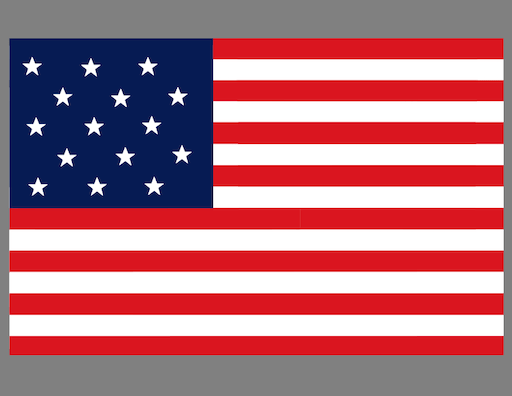
This flag was made by adding an additional star and stripe for each of the first two non-original states to join the Union: Vermont and Kentucky. The fifteen star flag was notably flown over Fort McHenry during the War of 1812, inspiring the words of the poem that would become the National Anthem: The Star Spangled Banner.
The 20 Star US Flag (1818-1819)
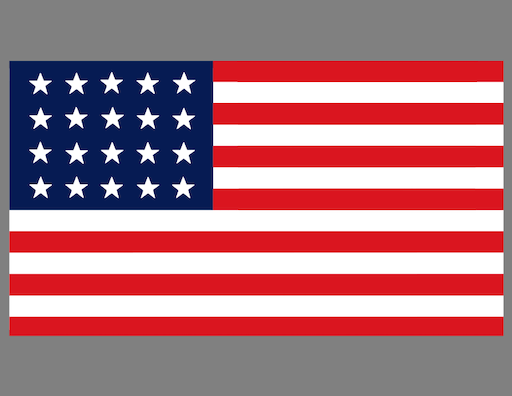
Two stripes were removed and Five stars were added to create this flag; the new stars were added for the newest states of Tennessee, Ohio, Louisiana, Indiana, and Mississippi. With the adoption of the twenty star flag, it was decided that the flag would only ever possess thirteen stripes to represent the Thirteen Colonies and one star for each of the current states; the new version of the flag is to become official on the following July 4th after the admission of the latest state.
The 21 Star US Flag (1819-1820)
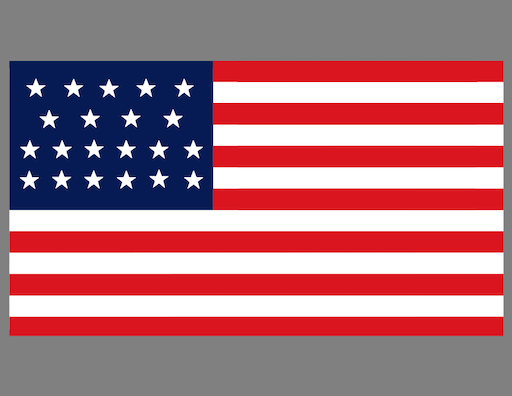
One new star was added for the admission of the state of Illinois.
The 23 Star US Flag (1820-1822)
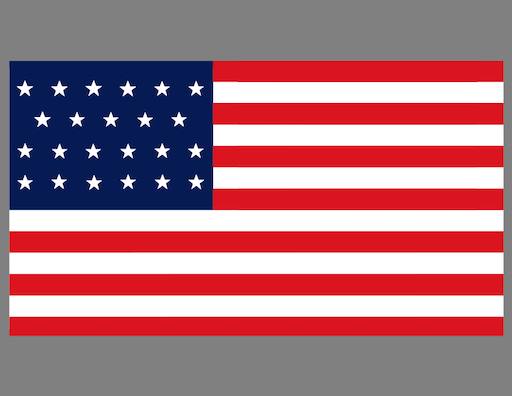
Two stars were added for the states of Alabama and Maine.
The 24 Star US Flag (1822-1836)
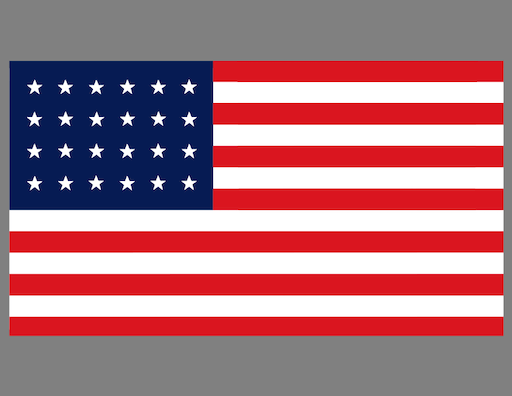
An additional star was included for the newest state, Missouri.
The 25 Star US Flag (1836-1837)
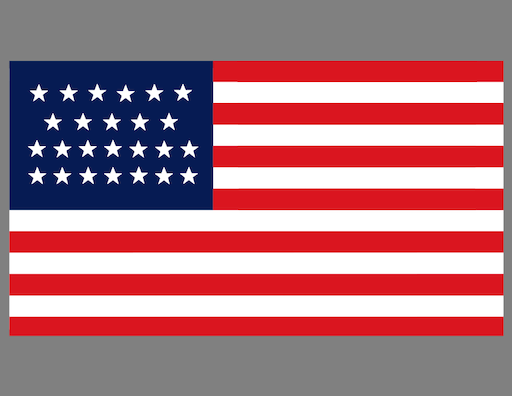
Another star was placed on the flag for the state of Arkansas.
The 26 Star US Flag (1837-1845)
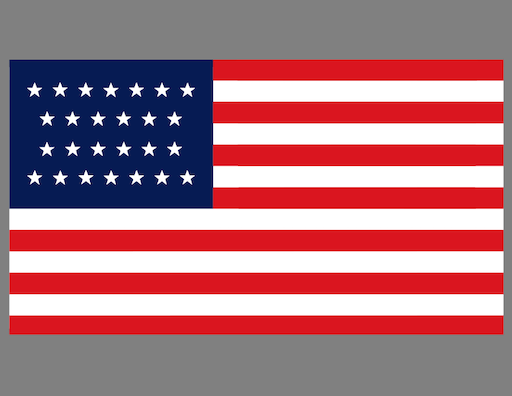
A new star was added for the new state of Michigan.
The 27 Star US Flag (1845-1846)
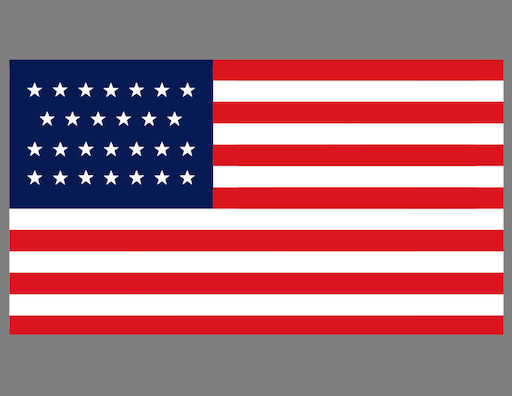
One star was added for the admission of Florida. This is the version of the US flag that would have been flown during the start of the Mexican-American War.
The 28 Star US Flag (1846-1847)
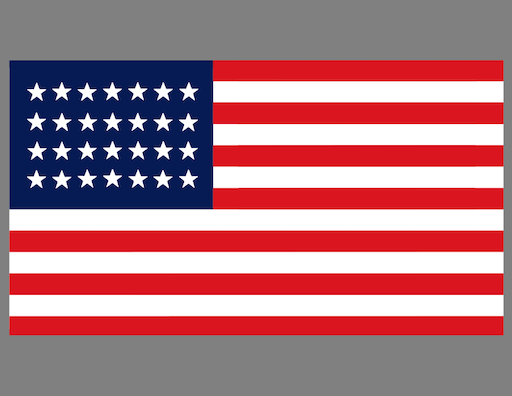
One new star was included for the state of Texas.
The 29 Star US Flag (1847-1848)
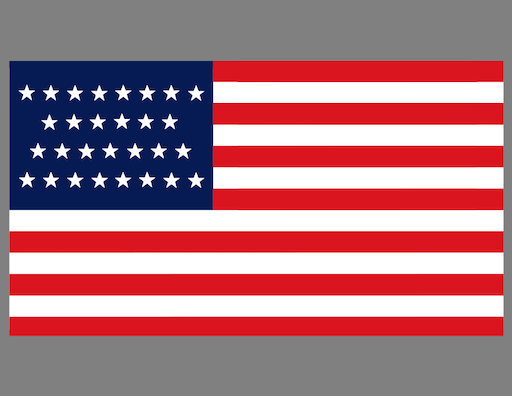
Another additional star was placed for the state of Iowa.
The 30 Star US Flag (1848-1851)
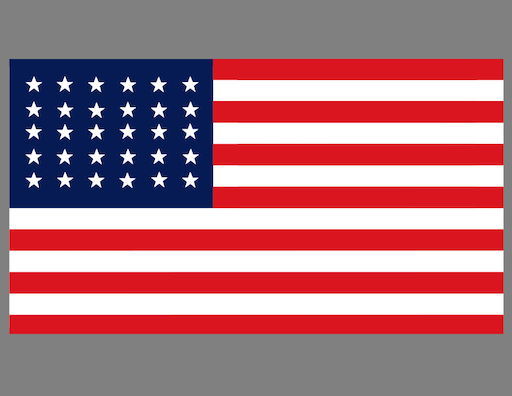
A new star was affixed to the flag for the state of Wisconsin.
The 31 Star US Flag (1851-1858)
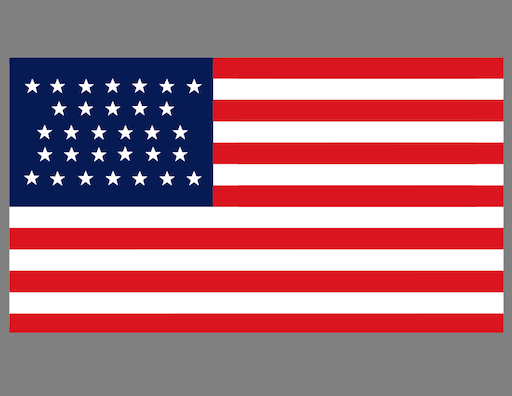
A star was added for the admission of California.
The 32 Star US Flag (1858-1859)
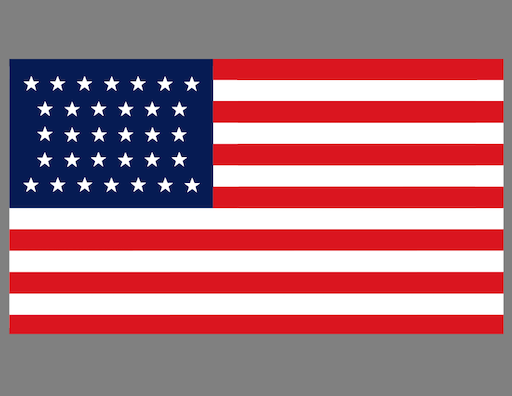
Another new star was appended for the state of Minnesota.
The 33 Star US Flag (1859-1861)
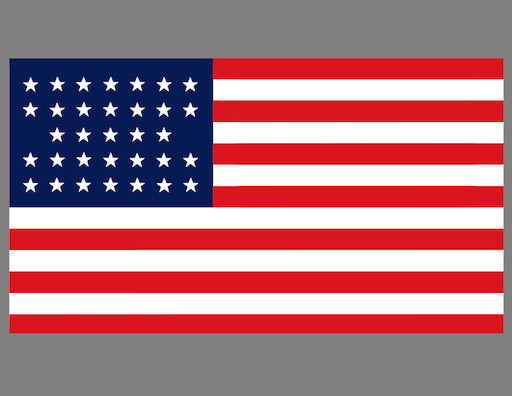
One star was placed on the flag for the admission of Oregon. This is the flag that was flown during the outbreak of the Civil War.
The 34 Star US Flag (1861-1863)
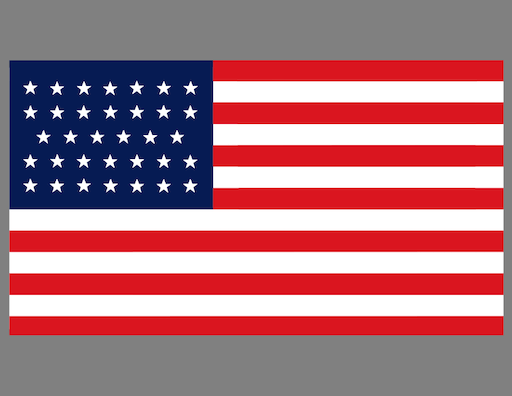
Yet another star was added to the flag for the state of Kansas.
The 35 Star US Flag (1863-1865)
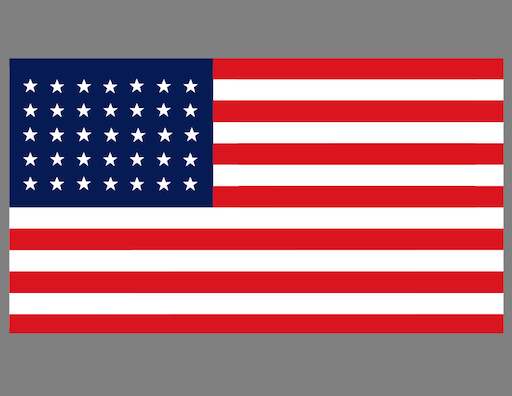
This star was included on the flag for the newest state that broke away from the rest of its former self: West Virginia.
The 36 Star US Flag (1865-1867)
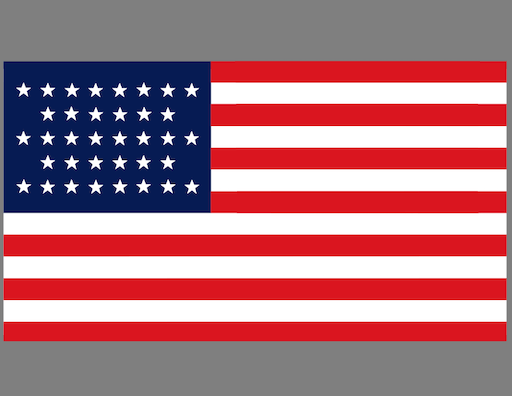
A new star was included for the state of Nevada.
The 37 Star US Flag (1867-1877)
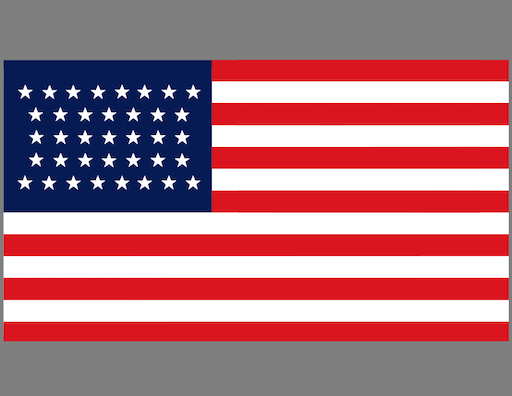
One star was appended for the state of Nebraska.
The 38 Star US Flag (1877-1890)
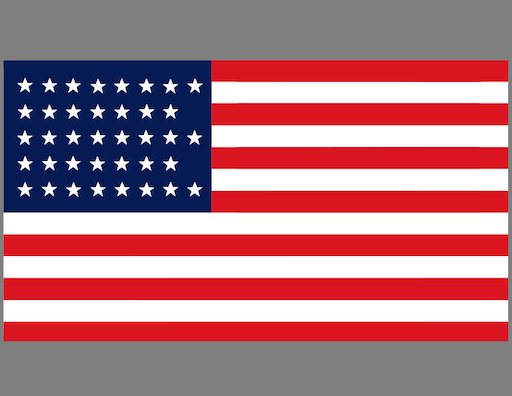
This star was placed on the flag due to the admission of Colorado.
The 43 Star US Flag (1890-1891)
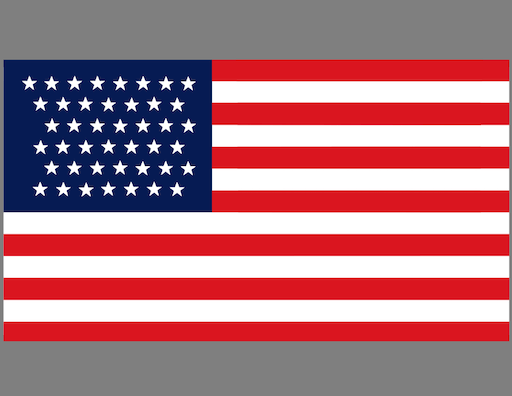
Five stars were included for the states of North Dakota, South Dakota, Montana, Washington, and Idaho.
The 44 Star US Flag (1891-1896)
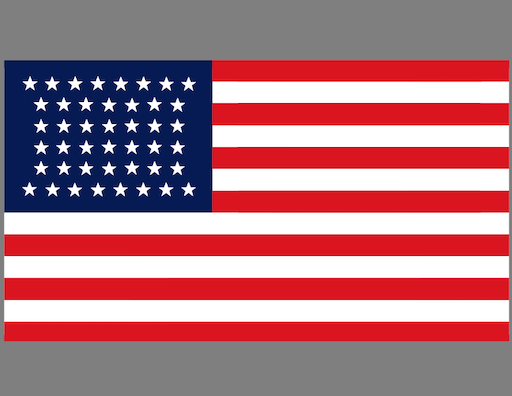
One new star was introduced for the state of Wyoming.
The 45 Star US Flag (1896-1908)
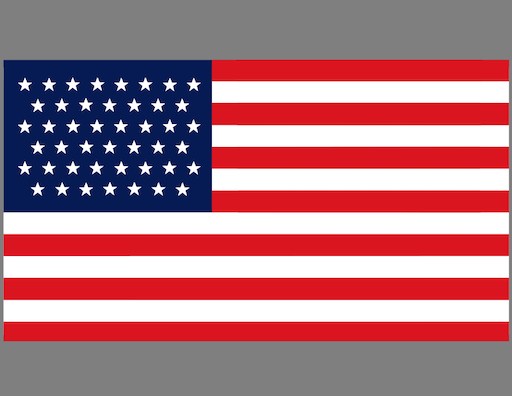
A new star was placed for the state of Utah. This version of the flag was used during the entire duration of the Spanish-American War.
The 46 Star US Flag (1908-1912)
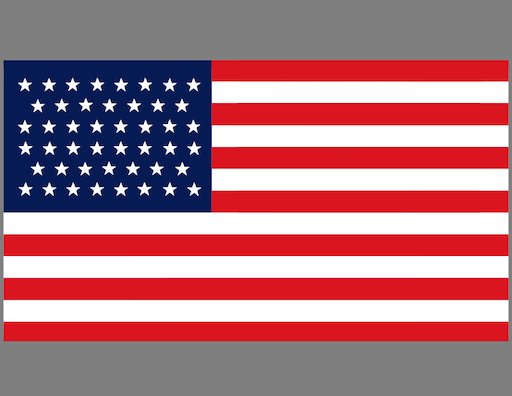
This new star was appended for the state of Oklahoma.
The 48 Star US Flag (1912-1959)
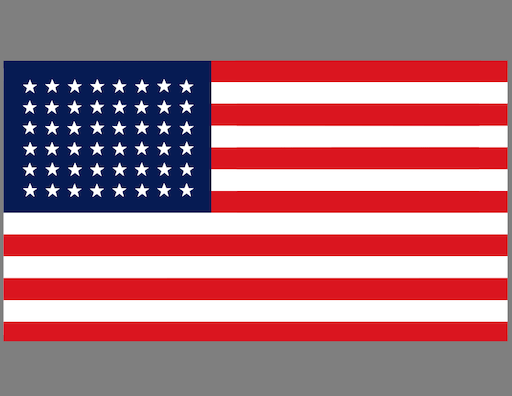
Two stars were attached to the flag for the states of New Mexico and Arizona. This flag was flown for 47 years, and was used throughout World War One, World War Two, and the Korean War!
The 49 Star US Flag (1959-1960)
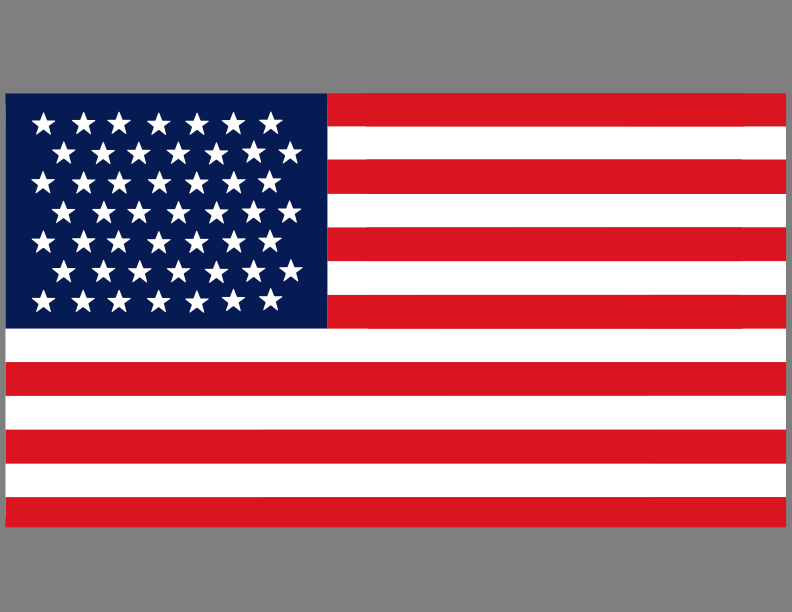
Another star was placed for the state of Alaska.
The 50 Star US Flag (1960-Present)
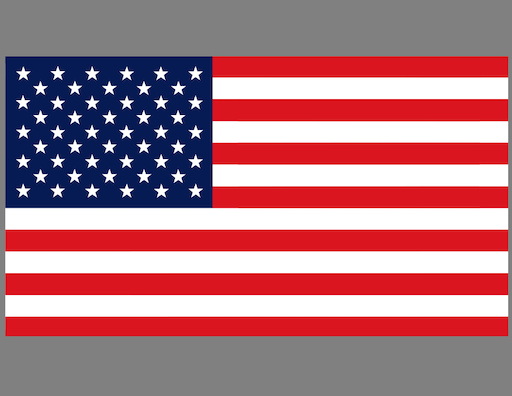
One more star was added onto the flag due to the admission of Hawaii. This is the longest running version of the flag! It has been used from the Vietnam War, through all of the modern wars. As of July 4th, 2022, the fifty star version surpassed 62 years of usage; it is likely that this flag will be used for many more years.
What is your favorite version of the US flag?
 Onward American